If you have spent any time researching how to lift your truck, you have probably run into the body lift vs suspension lift debate. It is one of the most common questions we hear at our shop here in Tampa, FL, and for good reason. Both options will give your truck more height, but the way they get there, what they cost, and how they affect your ride are completely different stories.
Choosing the wrong lift can mean wasted money, a rougher ride, or a truck that does not perform the way you need it to. Whether you are building a weekend trail rig, trying to fit bigger tires for that aggressive look, or just want your truck to stand out on Dale Mabry, understanding the real differences between a body lift and a suspension lift is the first step toward making a smart investment.
Let us break it all down so you can make the right call for your truck, your budget, and how you actually drive.
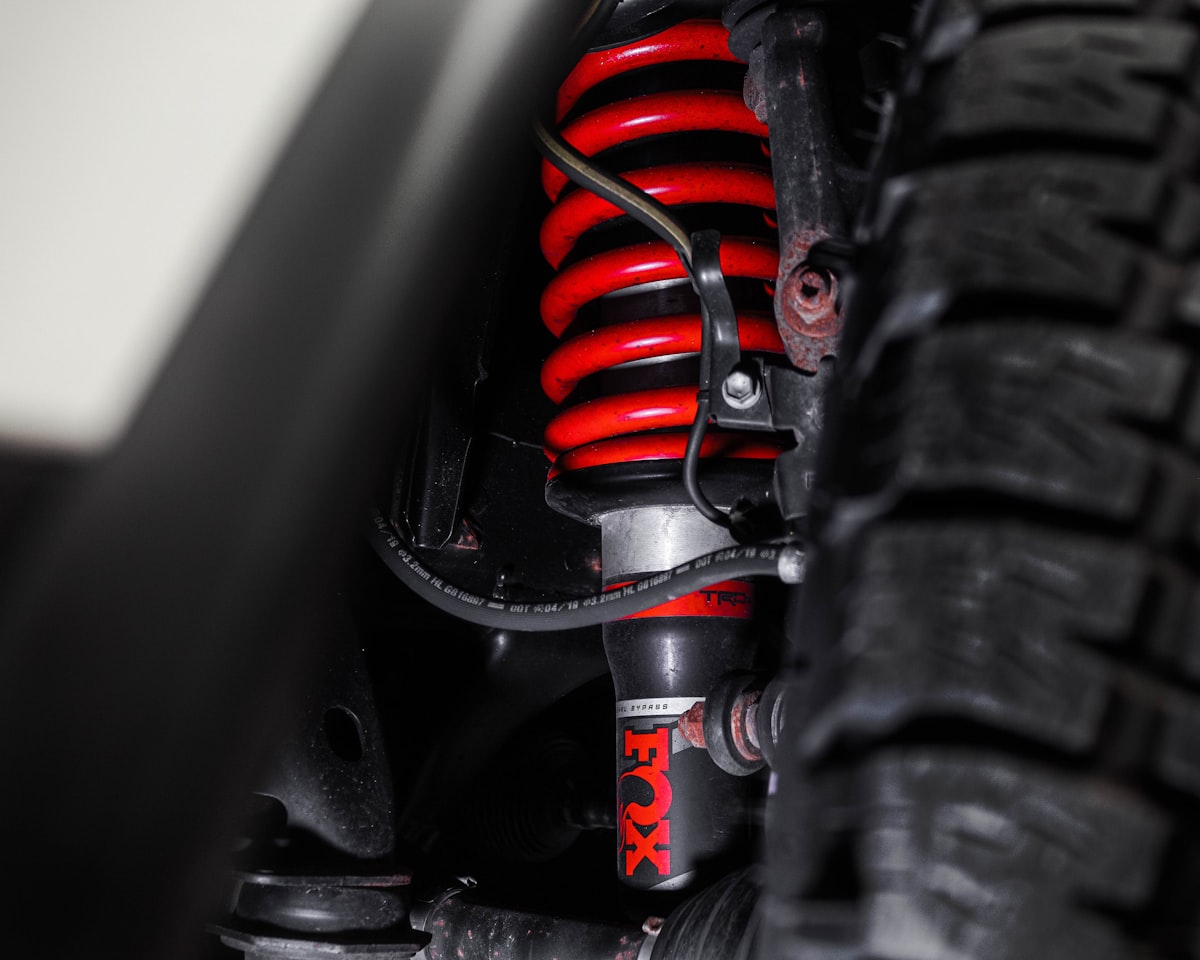
A body lift is exactly what it sounds like. It raises the body of your truck off the frame using spacers, usually made of polyurethane or composite blocks. These spacers are placed between the body mounts and the frame, creating a gap that gives you additional clearance between the body and the frame rails.
The key thing to understand is that a body lift does not change your suspension geometry at all. Your springs, shocks, control arms, and axles all stay exactly where they were. The frame sits at the same height off the ground. Only the cab, bed, and fenders move upward.
Most body lift kits range from one to three inches of lift. Brands like Performance Accessories, Zone Offroad, and Daystar are some of the most popular manufacturers in this space. A typical kit includes the body blocks or spacers, new longer body mount bolts, bump stop extensions, and hardware to extend your steering shaft, shift linkage, and radiator hoses as needed.
Because the frame stays at factory height, your drivetrain angles remain unchanged. Your driveshaft, transmission crossmember, and transfer case all stay in their factory positions. This simplicity is one of the biggest selling points of a body lift.
Body lifts are specifically designed for body-on-frame vehicles. That means trucks like the Chevy Silverado, GMC Sierra, Ford F-150, F-250, F-350, Ram 1500, Ram 2500, Toyota Tundra, Toyota Tacoma, and Jeep Wrangler. If your vehicle has a unibody construction, like most SUVs and crossovers, a body lift is not an option.
A suspension lift raises the entire vehicle, frame and body together, by modifying or replacing the suspension components. Depending on the size of the lift and the type of suspension your truck has, this can involve replacing springs, adding spacers on top of the coils or struts, installing longer shocks, upgrading control arms, adding drop brackets, and sometimes even modifying the frame itself.
Suspension lifts range anywhere from two inches all the way up to twelve inches or more for extreme builds. The range of brands and quality levels is enormous. On the more affordable end, you have companies like Rough Country and ReadyLIFT making solid kits that get the job done. In the mid-range, Zone Offroad and BDS Suspension offer excellent kits with better components and ride quality. At the top of the market, brands like Icon Vehicle Dynamics, King Shocks, Fox Racing Shox, Fabtech, and Bilstein provide premium performance parts that are designed for serious off-road use and deliver the best possible ride quality.
A basic suspension lift, sometimes called a leveling kit or a spacer lift, might just add a spacer on top of your front strut or coil spring to raise the front end. A more comprehensive kit replaces the shocks, springs, and sometimes adds new upper control arms, extended sway bar links, brake line brackets, and differential drop spacers. Full long-arm suspension kits for Jeeps and heavy-duty trucks go even further, completely replacing the factory control arms with longer units that improve articulation and geometry at higher lift heights.
The biggest advantage of a body lift is cost. A quality body lift kit from Performance Accessories or Zone Offroad typically runs between $100 and $500 for the parts. Installation is relatively straightforward and usually takes four to eight hours, which means labor costs are lower too. All in, you are usually looking at $300 to $800 installed.
Body lifts also preserve your factory ride quality completely. Since nothing in the suspension changes, your truck rides exactly the same as it did before the lift. Your factory alignment specs stay the same, your shocks are still operating in their designed range, and your steering geometry is untouched.
Another advantage is that body lifts allow you to fit larger tires without changing the suspension. If your main goal is running 33-inch or even 35-inch tires and you just need a little extra clearance in the fender wells, a two or three-inch body lift can get you there at a fraction of the cost of a suspension lift.
The downsides of a body lift are real and worth considering. First, you get a visible gap between the body and the frame. On most trucks, you can see this gap behind the front bumper and between the bed and the frame. Some people do not mind it, but it bothers others. Gap guards and filler strips can help, but they do not eliminate the issue entirely.
A body lift provides zero additional ground clearance. Your frame, differential, transmission, and transfer case are all sitting at the same height they were before. If you are driving through deep ruts, over rocks, or through mud, your undercarriage is just as exposed as it was at stock height.
Body lifts are also limited in height. Going beyond three inches with a body lift is generally not recommended and can create issues with steering shaft angles, drivetrain component clearances, and overall structural integrity. At three inches, you are already stretching the limits of what the body mount bolts and spacers can safely handle.
Suspension lifts raise the entire vehicle, giving you real ground clearance where it matters most: under the frame, axles, and drivetrain. This is a massive advantage for off-road driving, where rocks, ruts, and uneven terrain can damage low-hanging components.
The range of available lift heights is much greater. You can go from a subtle two-inch lift all the way up to eight, ten, or even twelve inches with the right kit and supporting modifications. This flexibility lets you build anything from a clean street truck to a full competition trail rig.
High-quality suspension lifts from brands like Icon, BDS, Fox, and Fabtech can actually improve your ride quality over stock. Better shocks, properly rated springs, and corrected geometry can make your truck ride smoother and handle better, especially when loaded or towing.
Suspension lifts also allow for significantly more wheel travel and articulation. If you are wheeling on trails around places like the Ocala National Forest or taking trips out to Moab, this additional suspension travel lets your tires stay on the ground over uneven terrain, giving you better traction and control.
Cost is the big one. A quality suspension lift kit starts around $400 to $800 for a basic two-inch spacer lift and can run $2,000 to $7,000 or more for a comprehensive four to six-inch kit with quality shocks and components from brands like BDS, Icon, or Fabtech. Installation is more complex and time-consuming, so labor costs are higher. A full suspension lift installation typically costs $500 to $2,000 in labor depending on the kit and vehicle. All in, you might spend anywhere from $1,000 to $10,000 or more.
Suspension lifts change your vehicle's center of gravity, which can affect handling and body roll, especially at highway speeds or during quick lane changes. A properly installed kit with the right components minimizes this, but it is still a factor to consider, particularly here in Tampa where highway driving on I-275 and I-75 is a daily reality for most truck owners.
Bigger suspension lifts can also create additional wear on drivetrain components. Steeper driveshaft angles can lead to u-joint wear, and changed suspension geometry can cause accelerated tire wear if the alignment is not dialed in properly. This is why professional installation and a quality alignment after the lift are so critical.
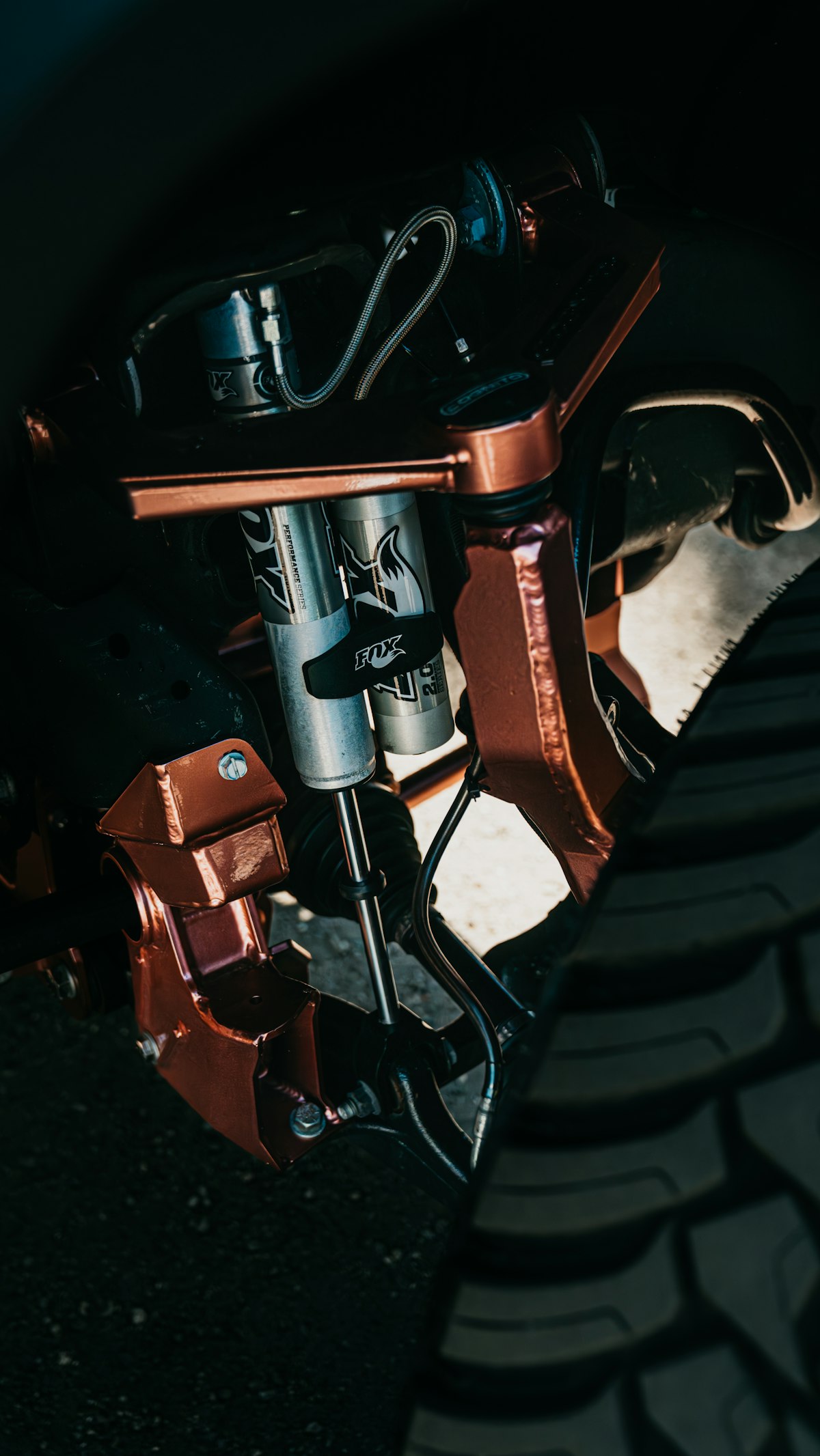
Here is a realistic breakdown of what you can expect to spend for each type of lift, including parts and professional installation:
A one to three-inch body lift kit from Performance Accessories, Zone Offroad, or Daystar will cost between $100 and $500 for parts. Professional installation typically runs $200 to $400. Total cost installed: roughly $300 to $900.
A two-inch leveling kit or spacer lift from Rough Country or ReadyLIFT runs $100 to $300 for parts, with $200 to $500 in installation. Total: $300 to $800. A four-inch suspension lift from Zone Offroad, BDS, or Rough Country costs $800 to $3,000 for parts, with $500 to $1,500 in labor. Total: $1,300 to $4,500. A six-inch or larger premium suspension lift from Icon, Fabtech, BDS, or similar brands can cost $3,000 to $7,000 for parts, with $1,000 to $2,500 in labor. Total: $4,000 to $10,000 or more.
Keep in mind that bigger lifts often require additional supporting modifications like new wheels, larger tires, extended brake lines, driveshaft modifications, and a professional alignment. These extras can add another $1,000 to $5,000 depending on what you choose.
If you are daily driving your truck around Tampa, ride quality matters. Nobody wants to feel like they are driving a covered wagon down Hillsborough Avenue.
A body lift has zero impact on ride quality. Your factory suspension is completely untouched, so the truck rides exactly as it did from the factory. This is one of the strongest arguments for a body lift if your primary goal is fitting larger tires without changing how the truck drives.
A suspension lift's impact on ride quality depends entirely on the quality of the components. A cheap spacer lift with factory shocks can make the ride stiffer and less controlled. A quality kit from BDS or Icon with matched shocks from Fox or Bilstein can actually improve the ride. The springs and shocks in these kits are designed to work together at the new ride height, and many truck owners report that their truck rides better after a quality suspension lift than it did at stock height.
This one is not even close. If off-road performance is a priority, a suspension lift is the clear winner.
A body lift provides no additional ground clearance for your frame, axles, or drivetrain components. The only clearance it adds is between the body and the tires, which lets you fit bigger tires. Those bigger tires do provide some additional ground clearance, but the truck's most vulnerable components are still at factory height.
A suspension lift raises everything, giving you more clearance for rocks, ruts, and obstacles. Better suspension kits also provide more wheel travel and articulation, which are critical for maintaining traction on uneven terrain. Combined with quality shocks from Fox or Icon, a suspension lift transforms your truck's off-road capability.
Both lifts help you fit larger tires, but they do it differently.
A two to three-inch body lift on most full-size trucks will let you fit 33-inch to 35-inch tires with the right wheel offset and possible fender trimming. The extra space between the body and the tires prevents rubbing during turns and suspension compression.
A four to six-inch suspension lift will also fit 33-inch to 37-inch tires, but you get the added benefit of real ground clearance to go with those bigger tires. For tires 37 inches and larger, you typically need a suspension lift of six inches or more, and often a combination of a suspension lift with a body lift.
A body lift is one of the simpler modifications you can do to a truck. An experienced installer can complete a body lift in four to eight hours. The work involves lifting the body, placing the spacers, extending the necessary linkages and hoses, and bolting everything back together. It is straightforward mechanical work that does not require specialized suspension tools or extensive alignment work afterward.
A suspension lift is significantly more complex. Even a basic spacer lift requires proper torque specifications and usually needs an alignment afterward. A full four to six-inch suspension lift involves removing and replacing multiple suspension components, potentially modifying brake lines, adjusting or replacing driveshafts, and performing a detailed four-wheel alignment. This work typically takes eight to sixteen hours or more and requires a shop with the right tools, experience, and alignment equipment. This is not a job you want done in someone's driveway.
A body lift combined with a set of aggressive wheels and larger tires is the most cost-effective way to dramatically change your truck's appearance. For under $2,000 including the lift, wheels, and tires, you can have a truck that turns heads on the streets of Tampa.
A suspension lift is the only real option. The additional ground clearance, wheel travel, and ability to run quality shocks and springs make it the right choice for anyone who plans to hit trails regularly. A four-inch BDS or Icon kit with Fox shocks will handle anything Florida's trails can throw at you and then some.
Be cautious with either lift, but a suspension lift designed for your specific towing needs is the better option. Look for kits that include properly rated springs that can handle the additional tongue weight. Rough Country and BDS both offer kits with towing in mind. A body lift does not affect your truck's towing dynamics since the suspension is unchanged, but it also does not improve them.
For a daily driver that you want to look good without sacrificing ride quality, a body lift or a modest two to three-inch suspension lift with quality components is the sweet spot. You get the look, you can fit larger tires, and you are not dealing with the compromises that come with taller lifts.
Yes, and it is more common than you might think. Combining a two or three-inch body lift with a four to six-inch suspension lift is a popular approach for truck owners who want maximum height and tire clearance. This combination gives you the ground clearance benefits of the suspension lift while the body lift provides extra room in the wheel wells for the biggest possible tires.
For example, a four-inch BDS suspension lift combined with a three-inch Performance Accessories body lift gives you seven inches of total lift. The suspension lift provides real ground clearance, while the body lift gives you room to run 37-inch or even 38-inch tires without major fender modifications.
If you go this route, make sure everything is installed by a shop that has experience with combination lifts. The interactions between the two systems, especially regarding steering shaft extensions and drivetrain angles, need to be managed carefully.
A properly installed body lift from a reputable brand is perfectly safe. The spacers and hardware are engineered for the specific vehicle and rated for the loads involved. Problems arise when people use homemade spacers, skip the steering and linkage extensions, or exceed the recommended lift height. Stick with quality kits from Performance Accessories or Zone Offroad and have them installed properly, and you will have no issues.
This was more true twenty years ago than it is today. Modern suspension lift kits from companies like Icon, BDS, Fox, and Bilstein are engineered to maintain or improve ride quality. The key is choosing a quality kit and having it installed correctly. A cheap lift with mismatched components will ride poorly, but a well-designed kit from a reputable brand will ride great.
More lift is not always the answer. A six-inch lift on a truck that never leaves the pavement creates unnecessary compromises in handling, fuel economy, and component wear. Be honest about how you actually use your truck and choose a lift height that matches your real-world needs. Here in Tampa, most truck owners are best served by a three to six-inch total lift with 33-inch to 35-inch tires. It looks great, performs well on the road, and can still handle the occasional trail or beach run.
This is dead wrong and it is one of the fastest ways to destroy a set of expensive tires. Any suspension lift changes your alignment angles and requires a professional alignment afterward. Even a simple leveling kit changes your caster angle and needs to be corrected. A body lift does not technically require an alignment since the suspension geometry is unchanged, but it is still good practice to have everything checked after any modification.
Not all shops have the experience, tools, or expertise to install lift kits properly. Suspension lifts in particular require knowledge of proper torque specs, suspension geometry, driveshaft angles, and alignment procedures. A botched lift installation can lead to premature component wear, poor handling, and even dangerous driving conditions. Always choose a shop that specializes in truck modifications and has a track record of quality work.
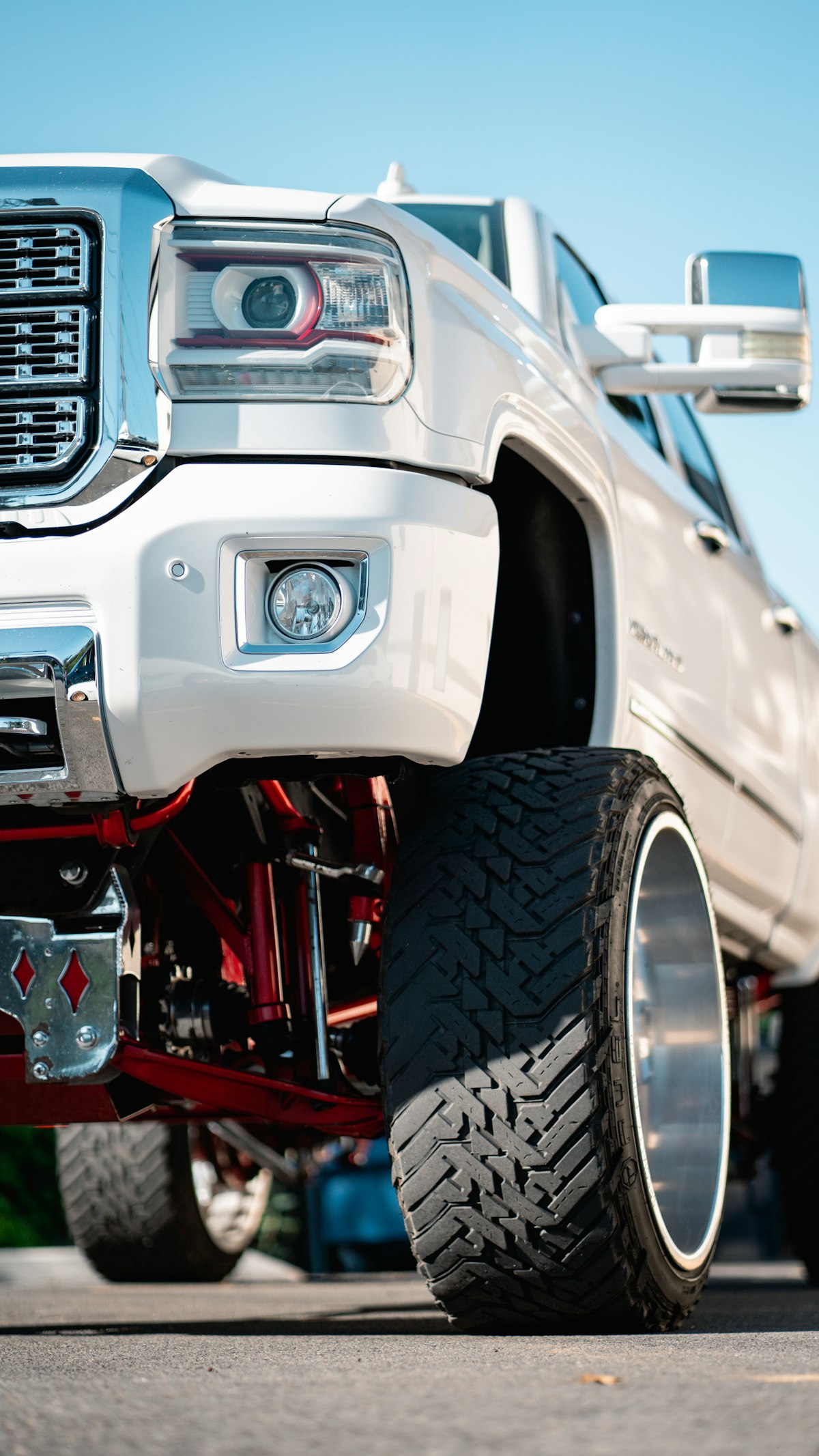
The body lift vs suspension lift decision comes down to your goals, your budget, and how you use your truck. A body lift is a smart, affordable way to fit larger tires and change your truck's stance without touching the suspension. A suspension lift is the right move when you want real ground clearance, improved off-road capability, and the option to go bigger with your build over time.
At Redline Auto Creations in Tampa, FL, we have installed hundreds of lift kits on every type of truck and Jeep you can imagine. Whether you are leaning toward a clean body lift, a full suspension overhaul with Icon or BDS components, or a combination of both, our team will help you choose the right setup for your truck and install it the right way the first time.
We carry kits from Rough Country, BDS, Icon, Fox, Bilstein, ReadyLIFT, Fabtech, Performance Accessories, Zone Offroad, and more. We handle everything from the lift installation to wheels, tires, alignments, and all the finishing touches that make your truck look and perform exactly the way you want.
Give us a call at (813) 544-4009 or visit us online at redlineautocreations.com to schedule a consultation. Let us help you build the truck you have always wanted.

At Redline Auto Creations, we specialize in crafting custom vehicles with precision and passion. From wheels and tires to suspension, performance upgrades, and custom designs, we bring your vision to life. Contact us today and transform your ride.
© 2026 Redline Auto Creations LLC. All Rights Reserved.
11626 N Florida Ave, Tampa, FL 33612

.png)






