Walk through any truck meet in Tampa and you'll notice something immediately: the builds that turn heads aren't just the ones with the biggest lifts or the flashiest wheels. They're the ones where everything works together — where the suspension complements the tire size, where the lighting package matches the paint, where every modification looks like it was part of the original design. That kind of cohesion doesn't happen by accident. It happens because someone sat down before a single bolt was turned and mapped out a plan.
Custom truck build planning is the difference between a truck that looks intentional and one that looks like a parts catalog exploded in a parking lot. Whether you're dreaming about a weekend trail rig, a daily driver with serious presence, or a full-blown SEMA-level show truck, the process starts the same way — with a clear vision, a realistic budget, and a roadmap that gets you from stock to stunning without burning through your savings or ending up with a half-finished project gathering dust in the driveway.
Here in Tampa, we see every kind of build come through the doors at Redline Auto Creations. And the customers who end up happiest — the ones driving trucks they genuinely love — are almost always the ones who took the time to plan before they started spending. This guide is everything we wish every first-time builder knew before they got started.
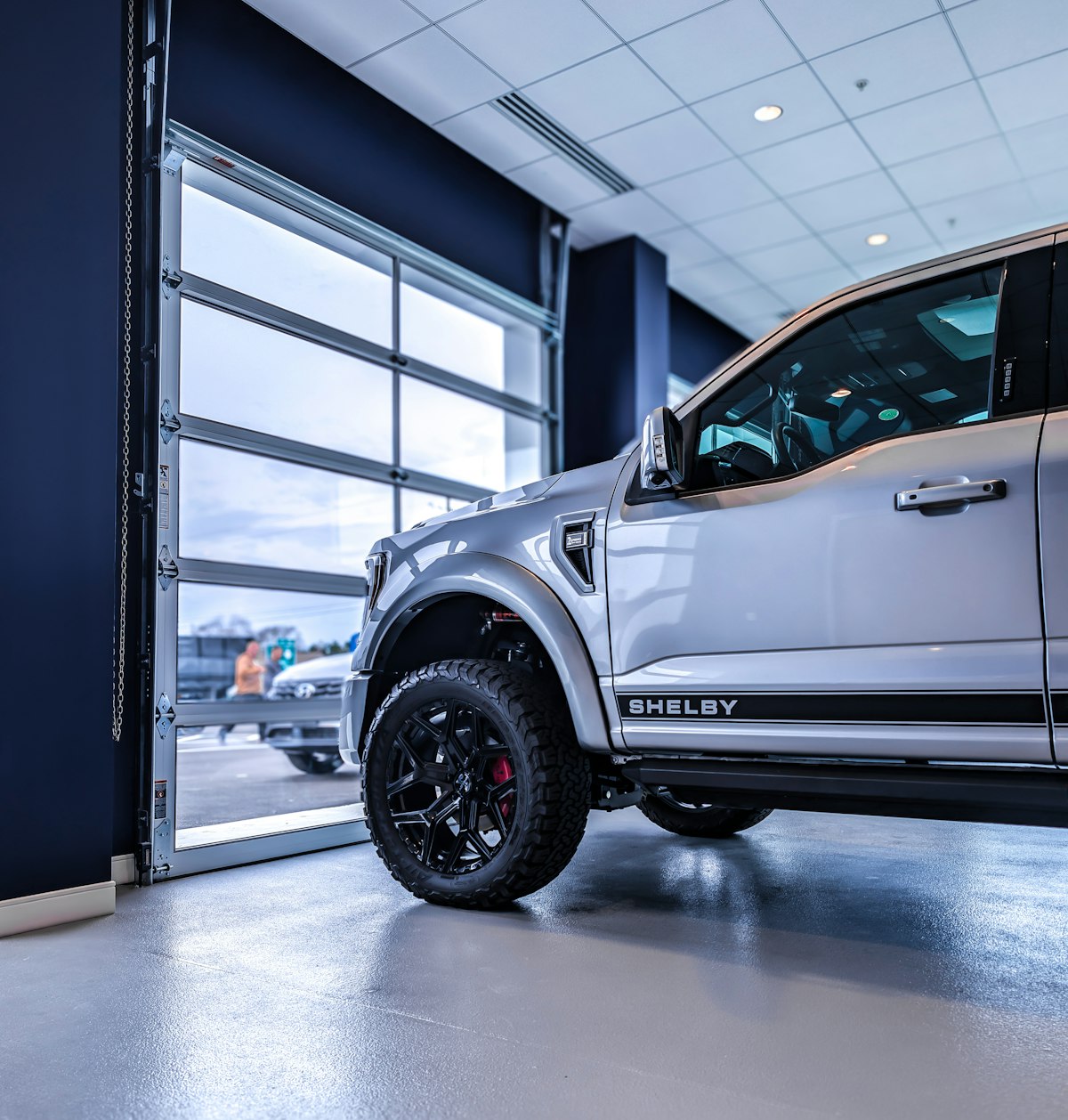
Before you start browsing lift kits or pricing out wheel packages, you need to answer one fundamental question: what do you want this truck to do? This isn't about picking parts — it's about defining purpose. And purpose drives every decision that follows.
Most custom builds fall into one of three broad categories, and being honest about which one you're chasing will save you thousands of dollars and months of frustration.
The Daily Driver Plus: This is the most common build we see at our Tampa shop. You want your truck to look great in the office parking lot and on Dale Mabry, but you still need it to be practical. You're commuting, hauling the occasional load, maybe towing a boat to the ramp on weekends. For this build, you're typically looking at a 2- to 4-inch leveling kit or mild lift, a set of aftermarket wheels and tires, some exterior accessories, and maybe a sound system upgrade. Budget range: $3,000 to $10,000.
The Weekend Warrior: You want legitimate off-road capability. You're hitting trails in Ocala National Forest, running through mud in Plant City, or heading to the beach with friends and need to handle soft sand without getting stuck. This build prioritizes suspension articulation, skid plates, recovery gear, and aggressive all-terrain or mud-terrain tires. Budget range: $8,000 to $25,000.
The Show Truck: This is the full experience. You want people pulling out their phones when you roll through Ybor City on a Friday night. You're talking significant suspension work, custom paint or a full wrap, interior upgrades, a competition-grade audio system, and lighting that makes the truck look like it belongs on a magazine cover. Budget range: $15,000 to $60,000 or more.
Most builds blend elements from multiple categories, and that's perfectly fine. The important thing is knowing your primary purpose so you can prioritize your spending accordingly.
If you haven't bought your truck yet, your platform choice matters enormously. Not all trucks are created equal when it comes to aftermarket support, and choosing a platform with a deep parts ecosystem will make your build easier, cheaper, and more satisfying.
The Ford F-150 and F-250/F-350 Super Duty lineup offers one of the deepest aftermarket catalogs in the industry. Companies like BDS Suspension, Icon Vehicle Dynamics, and ReadyLIFT all offer extensive lift kit options for these trucks. The F-150 is especially popular for daily driver builds, while the Super Duty platform dominates in the heavy-duty and show truck categories.
The Chevrolet Silverado and GMC Sierra 1500/2500/3500 are right behind Ford in aftermarket availability. Cognito Motorsports and BDS both build exceptional suspension systems for these trucks, and the GMT T1XX platform used in the current generation has become a favorite among builders for its combination of ride quality and modification potential.
The Ram 1500 and 2500/3500 have surged in popularity thanks to the coil-spring rear suspension on the 1500, which offers a ride quality advantage that many owners love. Rough Country, Superlift, and BDS all have solid options for the Ram platform.
The Toyota Tundra and Tacoma are the go-to choices for overland and off-road-focused builds. The Tacoma in particular has an enormous aftermarket, with companies like Old Man Emu, King Shocks, and Icon building purpose-built suspension systems.
And of course, the Jeep Wrangler and Gladiator deserve a mention even in a truck-focused conversation. The Wrangler has arguably the largest aftermarket of any vehicle on the planet, and the Gladiator brings true truck utility to the Jeep platform. At Redline Auto Creations, we do a significant amount of Jeep work alongside our truck builds.
If you already own your truck, don't worry — virtually every modern pickup has enough aftermarket support to build something impressive. You just need a shop that knows your platform inside and out.
Here's where most first-time builders make their biggest mistake: they try to do everything at once with a budget that can't support it. The result is usually cut corners, cheap parts that need to be replaced later, and a build that stalls halfway through when the money runs out.
The smartest way to build a custom truck is in phases, prioritizing modifications that build on each other logically. Here's a phasing strategy we recommend to our Tampa customers at Redline Auto Creations:
Phase 1 — Foundation (Suspension and Wheels/Tires): This is where your build starts and where the biggest visual and functional transformation happens. A quality lift kit from a manufacturer like BDS Suspension, Rough Country, or Fox will run you between $1,500 and $6,000 depending on the lift height and kit quality. Professional installation typically adds $800 to $2,000. Wheels and tires are your next priority — expect to spend $2,000 to $5,000 for a quality set of aftermarket wheels from brands like Fuel Off-Road, Method Race Wheels, or KMC, paired with tires from Nitto, Toyo, or BFGoodrich. An alignment after the lift is absolutely essential and runs $100 to $150. Total Phase 1 budget: $4,400 to $13,150.
Phase 2 — Exterior Accessories: With your stance dialed in, it's time to build out the look. This phase typically includes a bumper upgrade ($800 to $3,000 for brands like Fab Fours or ADD), fender flares ($300 to $1,200), running boards or rock sliders ($400 to $1,500), a tonneau cover or bed accessories ($300 to $1,500), and lighting upgrades like LED light bars and pods from Rigid Industries, Baja Designs, or Diode Dynamics ($200 to $2,000). Total Phase 2 budget: $2,000 to $9,200.
Phase 3 — Interior and Audio: Now you're making the inside match the outside. A quality audio system upgrade with a head unit, component speakers, an amplifier, and a subwoofer can range from $1,500 to $8,000 depending on the brands and complexity. Custom upholstery, ambient lighting, and gauge packages add another $500 to $5,000. Total Phase 3 budget: $2,000 to $13,000.
Phase 4 — Paint, Wrap, and Final Details: This is the finishing touch that ties everything together. A full vinyl wrap runs $3,000 to $7,000 depending on the material and complexity, while a custom paint job can range from $5,000 to $20,000 or more for show-quality work. Final detail items like custom badges, tailgate inserts, and accent pieces round out the build. Total Phase 4 budget: $3,500 to $25,000.
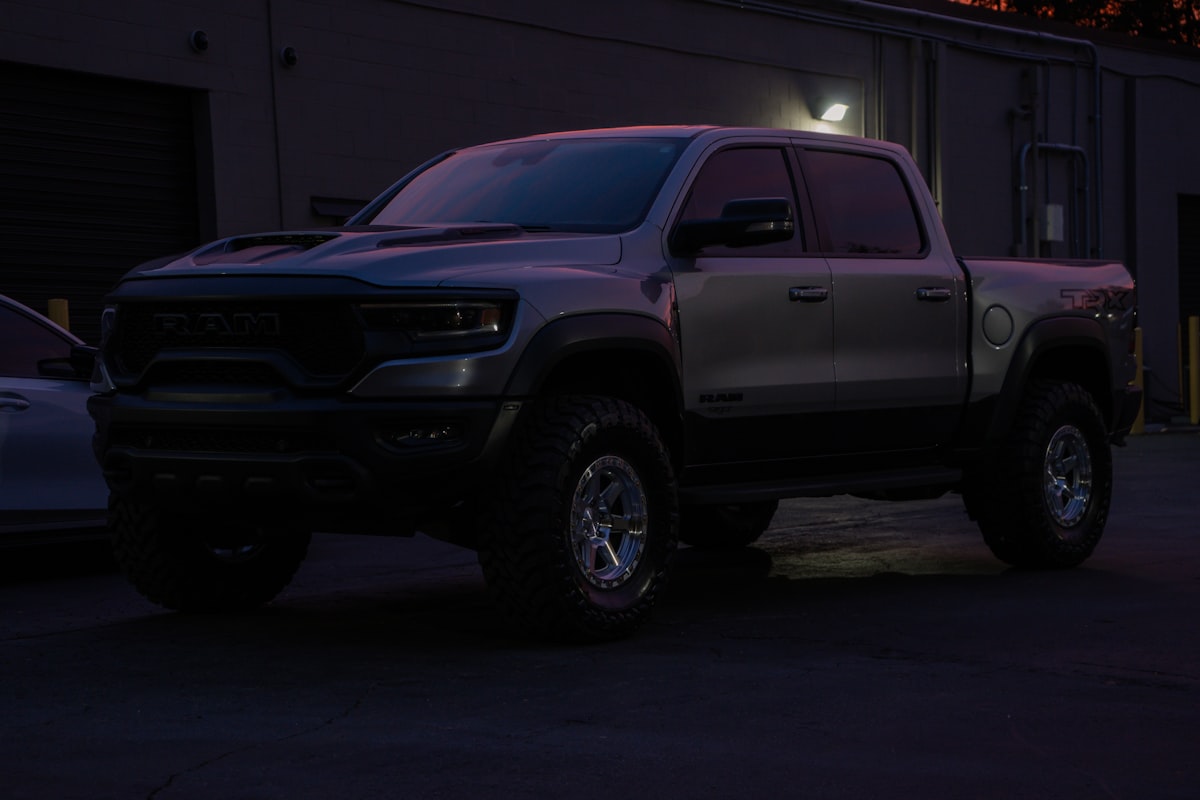
If there's one piece of advice we give more than any other at Redline Auto Creations, it's this: don't cheap out on your suspension. Your lift kit and shocks are the foundation that every other modification sits on top of, and cutting corners here creates problems that cascade through the entire build.
A leveling kit ($200 to $500 installed) raises the front of your truck to eliminate the factory rake. It's the simplest and most affordable way to improve your truck's stance and fit slightly larger tires. Brands like ReadyLIFT and Rough Country offer quality leveling kits for most platforms.
A body lift ($300 to $1,000 installed) uses spacers between the body and frame to gain clearance for larger tires without changing the suspension geometry. It's affordable but doesn't improve ground clearance or off-road performance.
A suspension lift ($1,500 to $6,000+ installed) replaces or modifies the actual suspension components — springs, shocks, control arms, and more. This is what you want for any serious build. BDS Suspension, Icon Vehicle Dynamics, Fox, and King Shocks all make excellent suspension lift systems in the 4- to 8-inch range. For trucks that will see off-road use, look for kits with upper control arms (UCAs) designed for the increased lift height — brands like Camburg and Total Chaos build UCAs that maintain proper suspension geometry at lifted heights.
After any lift, a professional alignment is mandatory. Here in Tampa, between the stop-and-go traffic on I-275 and the highway miles on I-75, you'll chew through a set of $1,500 tires in months if your alignment is off. This isn't optional — it's essential.
Your wheel and tire combination is the single most visually impactful modification on your truck, and getting the fitment right requires knowledge of offsets, backspacing, and tire sizing that goes beyond what most online calculators can tell you.
For a truck running a 4- to 6-inch lift, you're typically looking at 20-inch wheels as the sweet spot for balancing looks and ride quality. The 20x10 size with a -18 to -24 offset is enormously popular right now, paired with 35-inch tires. If you're going bigger — 37s or even 40s — you'll need more lift height and potentially fender trimming or aftermarket fenders.
On the wheel side, Fuel Off-Road dominates the aggressive truck wheel market with designs like the Rebel, Maverick, and Blitz. Method Race Wheels brings a more refined, motorsport-inspired aesthetic that works beautifully on both street and off-road builds. KMC and XD Series offer great options in the mid-range price bracket, while American Force and Forgiato cater to the high-end show truck crowd with forged wheels that can run $5,000 to $10,000 for a set.
For tires, the Nitto Ridge Grappler remains one of the most popular choices for trucks that split time between highway and trail — it's quiet on the road but aggressive enough to handle most off-road situations. The Toyo Open Country M/T is a proven mud-terrain tire for trucks that prioritize off-road capability. The BFGoodrich KO2 is the gold standard all-terrain tire that's been proving itself for decades. And if you want something that screams aggression, the Nitto Trail Grappler offers a hybrid mud-terrain design that looks incredible on lifted trucks.
Once your suspension and wheels are sorted, the exterior accessories are what give your truck its personality. But here's a trap we see builders fall into: buying every accessory they see on Instagram without considering how it all fits together visually.
Pick a theme and stick with it. If you're going for an aggressive, blacked-out look, commit to black bumpers, black fender flares, smoked lighting, and dark-colored accents throughout. If you prefer a more polished aesthetic, go with chrome or machined accents and color-matched components. Mixing styles — a chrome bumper with blacked-out everything else, for example — almost always looks disjointed.
For Tampa builds specifically, we always recommend considering a quality tonneau cover. Between the summer afternoon thunderstorms and the general humidity, keeping your bed protected is practical common sense. Brands like BAKFlip, RetraxPRO, and Diamondback offer covers that are both functional and good-looking.
LED lighting has come a long way, and companies like Rigid Industries and Baja Designs make light bars, fog lights, and accent pods that are genuinely useful — not just for looks. If you're doing any nighttime driving on rural roads heading out to places like Chassahowitzka or Withlacoochee State Forest, a quality light bar mounted properly is a game-changer.
These are the modifications that separate a truck with bolt-on parts from a true custom build. The interior is where you spend all your time, so making it a place you enjoy being matters more than most people realize.
A proper audio system upgrade starts with a quality head unit and component speakers, not a massive subwoofer. Build your system from the front stage back — get your mids and highs sounding clean and detailed, then add bass reinforcement with a well-tuned subwoofer and amplifier. Brands like JL Audio, Hertz, and Focal make speakers and amplifiers that sound exceptional in a truck cab environment. A professionally installed system with quality components and proper sound deadening will run between $2,500 and $6,000 and will absolutely transform your driving experience, especially if you're spending an hour each way in Tampa traffic.
This is one of the most common questions we get at Redline Auto Creations, and the answer depends on your goals. A vinyl wrap offers several advantages: it protects the factory paint underneath, it can be removed if you want to sell the truck or change the look, and it's significantly less expensive than custom paint. A full wrap in a quality material like 3M 2080 or Avery Dennison Supreme runs $3,500 to $6,500 for a full-size truck.
Custom paint, on the other hand, offers a depth and finish that vinyl simply can't replicate. A quality custom paint job with proper prep, premium paint, and clear coat will run $5,000 to $15,000, with show-quality work pushing well beyond that. If you're building a true show truck, custom paint is usually worth the investment. For everything else, a high-quality wrap gives you outstanding results at a fraction of the cost.
After years of building trucks here in Tampa, we've seen every mistake in the book. Here are the ones that cost people the most time and money:
Buying cheap parts to save money upfront. That $400 lift kit on Amazon might look like a deal compared to a $2,500 BDS system, but when it rides rough, wears out your tires unevenly, and needs to be replaced in two years, you've spent more than if you'd bought the quality kit from the start. Buy once, cry once.
Ignoring the alignment after a lift. We can't stress this enough. Skipping a proper alignment after suspension work is like building a house on a crooked foundation. Your tires will wear prematurely, your truck will pull or wander, and you'll be back in the shop sooner than you planned.
Not accounting for the full cost of modifications. That lift kit price tag doesn't include installation, an alignment, new shocks if needed, or the larger tires you'll want to fill the wheel wells. Always budget for the total installed cost, not just the parts price.
Doing too much too fast. Phasing your build lets you enjoy each stage, catch any issues before they compound, and spread the financial commitment over time. The truck community isn't going anywhere — there's no rush.
Choosing a shop based solely on price. The cheapest quote usually means corners are being cut somewhere. Look for a shop with a strong portfolio of completed builds, genuine expertise with your platform, and a reputation for standing behind their work.
One of the most common questions we hear is "how long will my build take?" The honest answer depends entirely on the scope, but here are some general guidelines based on our experience at Redline Auto Creations in Tampa:
A leveling kit with wheels and tires can typically be completed in one to two days. A full suspension lift with wheels, tires, and alignment usually takes two to four days. A comprehensive build spanning multiple phases — suspension, wheels, exterior accessories, audio, and wrap — can take two to six weeks depending on parts availability and the complexity of the work.
Parts availability is the biggest wildcard. Some components ship in days; others have lead times of four to eight weeks, especially for popular items during peak season. A good shop will help you plan around lead times so your truck isn't sitting idle waiting for a single backordered part.
YouTube makes everything look easy. And while there are certainly modifications that a handy truck owner can tackle in their garage — tonneau covers, simple lighting installs, interior accessories — the core of a custom build demands professional expertise and professional tools.
Suspension work requires torque specifications, proper hardware, and knowledge of how modifications interact with factory safety systems like stability control and ABS. Wheel and tire fitment requires understanding how offset, backspacing, and tire size interact with your specific suspension geometry. Electrical work for lighting and audio needs to be done correctly to avoid shorts, battery drain, and potential fire hazards.
Beyond the technical side, a professional shop brings something you can't get from a garage build: accountability. When Redline Auto Creations builds your truck, we stand behind every bolt we turn, every wire we connect, and every component we install. If something isn't right, we make it right.
If you've been thinking about building your truck and you're in the Tampa area, we'd love to talk through your vision. Whether you're starting from scratch with a brand-new truck or looking to take your current ride to the next level, the team at Redline Auto Creations has the experience, the relationships with top-tier parts manufacturers, and the passion for trucks that it takes to bring your build to life the right way.
We offer free consultations where we'll sit down with you, discuss your goals, look at your truck, and put together a build plan with realistic pricing and timelines. No pressure, no hard sell — just honest advice from people who live and breathe custom trucks.
Give us a call at (813) 544-4009 or visit us online at redlineautocreations.com to schedule your consultation. Your dream truck is closer than you think — it just starts with a plan.

At Redline Auto Creations, we specialize in crafting custom vehicles with precision and passion. From wheels and tires to suspension, performance upgrades, and custom designs, we bring your vision to life. Contact us today and transform your ride.
© 2026 Redline Auto Creations LLC. All Rights Reserved.
11626 N Florida Ave, Tampa, FL 33612

.png)






