If you drive a lifted truck around Tampa, you already know the struggle: that first step up into the cab can feel like scaling a small wall, especially for passengers who were not expecting the climb. Side steps solve that problem, but the real question is which type of side step is best for your truck, your lifestyle, and your budget. The two most popular options on the market today are power steps (also called automatic or retractable running boards) and traditional running boards (sometimes called fixed running boards or nerf bars, depending on the style). Both get the job done, but they do it in very different ways, and the right choice depends on factors like how you use your truck, where you drive it, and how much you want to invest.
Here at Redline Auto Creations in Tampa, FL, we install both power steps and running boards on everything from daily-driver F-150s to fully built show trucks. We have seen every combination of truck, terrain, and owner preference, and we can tell you from experience that there is no single right answer for everyone. This guide breaks down everything you need to know so you can make the best decision for your setup.

Running boards are the classic side step solution. They are flat, fixed platforms that mount along the rocker panels beneath your doors and stay in place at all times. Running boards have been around almost as long as trucks themselves, and they remain one of the most popular accessories for good reason: they are simple, affordable, and effective.
Not all running boards are created equal. Here are the main styles you will encounter:
Flat-platform running boards are the widest and most traditional option. They offer a broad stepping surface, usually four to six inches wide, and they run the full length of the cab. Brands like Westin, Lund, and Go Rhino make some of the most popular models in this category.
Nerf bars are round or oval tube-style bars that mount in the same position. They have a slimmer profile than flat running boards and usually feature small step pads welded onto the tube. N-Fab is one of the best-known names in nerf bars, and their products are popular with off-road enthusiasts because of their rugged construction and aggressive styling.
Hoop steps sit closer to the wheel wells and offer a single step point rather than a continuous platform. These are a good middle ground between a full running board and no step at all.
There is not much to explain here, and that is part of the appeal. Running boards bolt to the frame or rocker panel using vehicle-specific mounting brackets. Once installed, they are permanently in position. There are no motors, no wiring, and no moving parts. You step on them, you step off, and they just sit there doing their job.
Power steps, sometimes called automatic running boards or retractable running boards, are motorized side steps that deploy when you open your door and retract when you close it. When retracted, they tuck up tight against the underside of the truck, giving you a clean, stepless look. When deployed, they drop down to provide a solid stepping surface at just the right height.
Power steps use electric motors and a linkage system to extend and retract. A signal from your door triggers controls the motion: open the door, the step swings down; close the door, it swings back up and locks into place. The entire cycle takes about one to two seconds, and the mechanism is designed to handle thousands of cycles over the life of the product.
AMP Research is the dominant brand in this space. Their PowerStep and PowerStep XL lines are the industry standard, and they offer fitments for virtually every popular truck on the road, including the Ford F-150 and Super Duty, Chevy Silverado, GMC Sierra, Ram 1500, 2500, and 3500, Toyota Tundra and Tacoma, and Jeep Wrangler and Gladiator. Other companies like Bestop and Lund also make power step options, but AMP Research remains the go-to recommendation we make at our Tampa shop because of their build quality and warranty support.
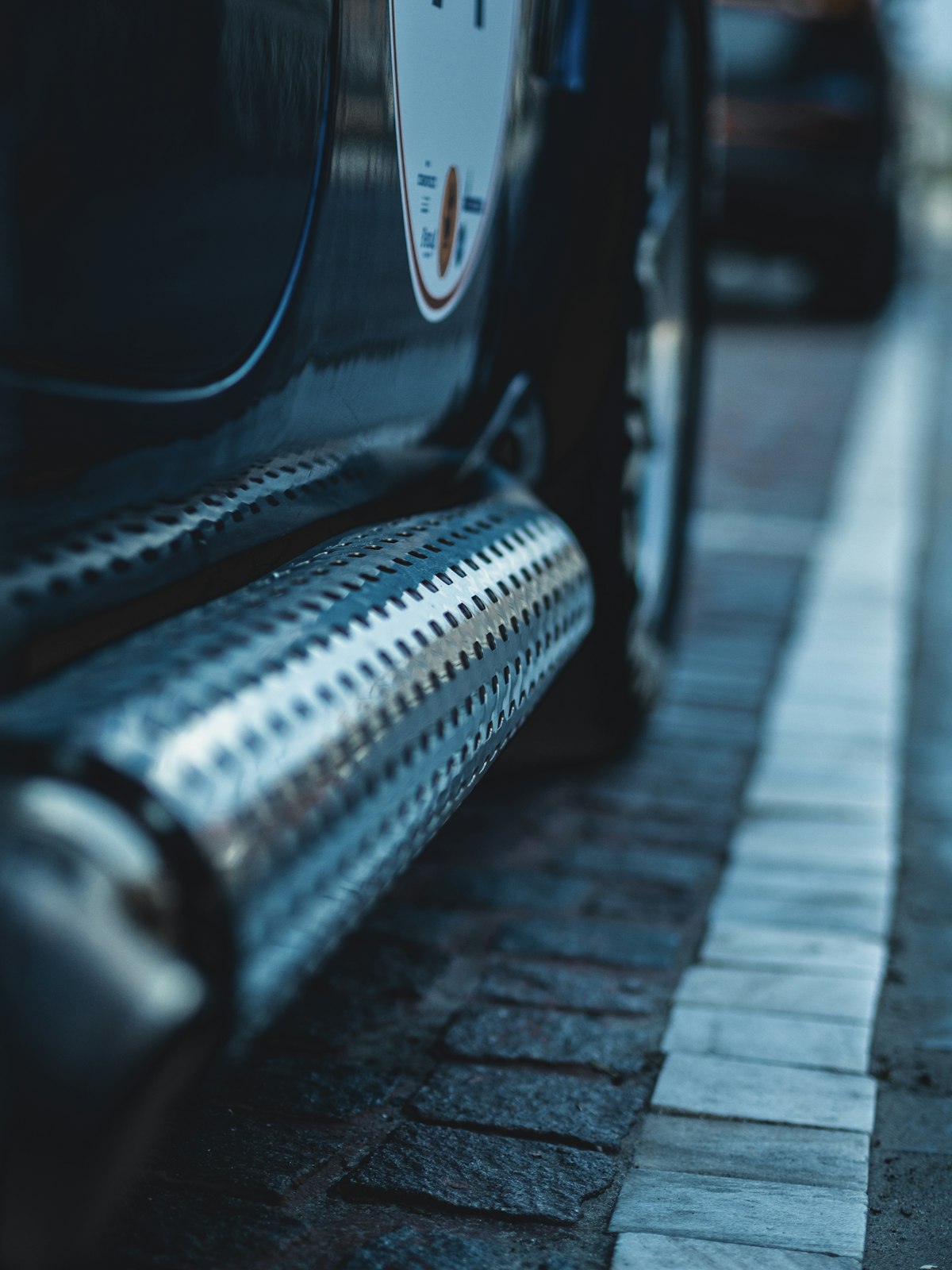
This is where power steps really shine. When retracted, power steps are virtually invisible from the side of the truck. Your lifted truck keeps its aggressive, high-clearance stance without a bulky step hanging below the doors. For truck owners in Tampa who have invested in a clean build with custom wheels, a lift kit, and color-matched accessories, power steps preserve that look in a way that fixed running boards simply cannot.
Running boards, on the other hand, are always visible. That is not necessarily a bad thing. A set of polished stainless Westin running boards on a clean truck looks sharp, and matte black nerf bars from N-Fab or Go Rhino can give your truck a tough, purpose-built appearance. But if your goal is a sleek, uncluttered profile, power steps have the edge.
If you take your truck off-road, whether that means trail riding in Ocala National Forest or navigating the sandy backroads outside Tampa, ground clearance matters. Fixed running boards hang below the rocker panels and are often the lowest point on the truck aside from the differential. They can catch on rocks, stumps, and uneven terrain, and a hard enough hit can bend the boards, damage the mounting brackets, or even dent your rocker panels.
Power steps eliminate this concern almost entirely. When retracted, they tuck up above the rocker line and add virtually no additional obstruction. You get the ground clearance your lift kit was designed to provide without compromising it with a fixed step. This is one of the biggest reasons serious off-road builds almost always go with power steps.
Both options make getting in and out of your truck easier, but they do it differently. Running boards provide a continuous platform that is always there. You do not have to think about it or wait for anything. Step on, step up, done. This makes them especially user-friendly for kids, elderly passengers, and anyone who is not used to climbing into a lifted truck.
Power steps deploy to a very precise height that is often optimized for each specific vehicle application. Because they swing down and out, they can actually position the step slightly farther from the truck and at a lower height than a fixed running board, which can make the step even more accessible. The trade-off is the one to two second delay while the step deploys, though this is rarely an issue in practice since the step is usually fully deployed by the time you pull the door open and get ready to step down.
Fixed running boards are hard to beat when it comes to durability. There are no motors to fail, no wiring to corrode, and no linkage to wear out. A quality set of steel or aluminum running boards from brands like Westin, Go Rhino, or Lund can last the entire life of the truck with minimal maintenance. About the worst that happens is some surface corrosion or a bent bracket from a trail impact, and those are easy fixes.
Power steps are mechanical and electrical systems, which means they have more potential failure points. Motors can wear out over time, wiring connections can corrode (especially relevant here in Tampa where salt air from the coast is a constant factor), and the linkage can accumulate dirt and debris that affects smooth operation. That said, modern power steps from reputable brands like AMP Research are engineered to be extremely durable. AMP Research backs their PowerStep products with a five-year warranty, and we see very few failures in the field when the steps are properly installed and occasionally cleaned.
Most quality running boards support between 300 and 600 pounds, depending on the design and material. Flat-platform boards generally offer the highest weight ratings because the load is distributed across a wider surface and supported by multiple mounting points.
Power steps typically support around 300 to 400 pounds. The AMP Research PowerStep is rated at 300 pounds, while their PowerStep XL and some heavy-duty models support more. This is sufficient for the vast majority of users, but it is worth noting if you frequently carry heavy gear while climbing in and out of the truck.
Running board installation is relatively straightforward. Most bolt-on kits use vehicle-specific brackets that attach to existing frame holes or rocker panel mounting points. A competent installer can have a set of running boards mounted in about one to two hours. No electrical work is required, and the install is completely reversible.
Power steps are a more involved installation. In addition to the physical mounting, they require wiring to the vehicle's electrical system, including connections to the door switches and a power source. Proper routing of wiring harnesses, weatherproofing of connections, and calibration of the deployment mechanism all require experience and attention to detail. A professional install typically takes three to four hours, and it is not a job we recommend for DIY unless you have solid electrical and mechanical skills.
At Redline Auto Creations, we handle both types of installations daily, and we cannot stress enough how important professional installation is for power steps in particular. Improper wiring can cause electrical issues, and poorly mounted steps can deploy unevenly or fail to retract properly.
Budget is often the deciding factor, so here is a realistic breakdown of what you can expect to spend:
Basic running boards from entry-level brands start around $200 to $350 for a set. Mid-range options from Westin, Lund, or Go Rhino typically run $350 to $700. Premium or specialty running boards, such as illuminated steps or heavy-duty off-road nerf bars from N-Fab, can run $600 to $1,000 or more. Professional installation usually adds $150 to $300 to the total.
Power steps are a more significant investment. AMP Research PowerStep kits typically range from $1,200 to $1,800 for the parts alone, depending on the vehicle application. The PowerStep XL and XTreme models, which offer a wider and longer stepping surface, can run $1,500 to $2,200. Installation costs for power steps are higher due to the electrical work involved, typically adding $300 to $500 to the total. All in, you should expect to spend between $1,500 and $2,700 for a complete power step setup with professional installation.
Tampa's climate creates some specific maintenance considerations worth mentioning. Our combination of heat, humidity, salt air from the Gulf, and frequent heavy rain means that anything mounted under your truck is going to face an aggressive environment.
Fixed running boards require very little maintenance. Rinse them when you wash your truck, check the mounting bolts once or twice a year to make sure nothing has loosened, and keep an eye out for any signs of corrosion. If you go with powder-coated steel or aluminum boards from a quality brand, corrosion should not be a significant issue even in Tampa's salty air.
Power steps benefit from a bit more attention. We recommend cleaning the linkage and pivot points every few months to prevent dirt and road grime from building up. A quick spray with a silicone lubricant on the moving parts keeps everything operating smoothly. Inspect the wiring connections periodically, especially if you drive through deep water or encounter a lot of road spray. If a step starts to deploy or retract slowly, that is usually a sign that the linkage needs cleaning or the motor is working harder than it should due to debris buildup.
After years of installing both options at our Tampa shop, here is how we generally guide our customers:
You want the most affordable option without sacrificing quality. You use your truck primarily as a daily driver and do not need maximum ground clearance. You have family members, especially kids or older adults, who frequently ride in your truck and need a step that is always there without any delay. You prefer a simple, no-maintenance solution. You want the classic truck look with a polished or matte finish running board.
You have a lifted truck and want to maintain that aggressive, high-clearance stance. You take your truck off-road and need to avoid snagging a fixed step on obstacles. You have invested in a custom build and want every detail to look clean and intentional. You value the wow factor since power steps genuinely impress people when they see them deploy for the first time. You do not mind the higher upfront cost for a premium product and experience.
Some truck owners take a hybrid approach. We have had customers install power steps on the driver and passenger side of the cab but add a fixed step or bumper step at the rear for bed access. This gives you the best of both worlds where it matters most.
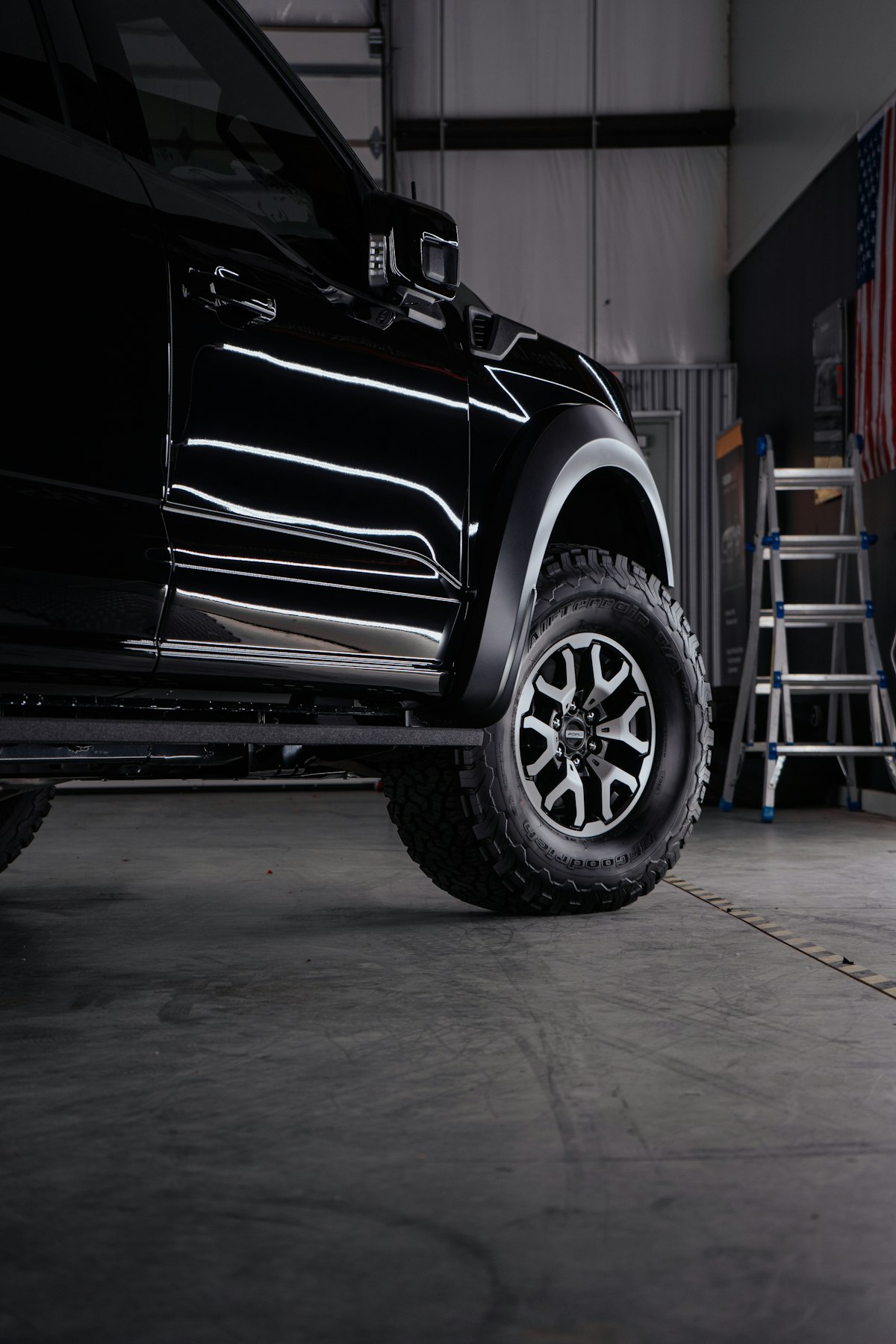
Whether you are leaning toward a set of clean N-Fab nerf bars or a full AMP Research PowerStep setup, the most important thing is getting them installed correctly. At Redline Auto Creations in Tampa, FL, we specialize in truck customization from lift kits and wheels to audio, accessories, and everything in between. We carry top brands, we know the fitments inside and out, and we stand behind every install we do.
Stop by our shop, give us a call at (813) 544-4009, or visit us online at redlineautocreations.com to schedule your installation. We will help you figure out exactly what works best for your truck, your lifestyle, and your budget. Whether you are building a weekend trail rig or just want to make your daily driver easier to climb into after a long day, we have you covered.

At Redline Auto Creations, we specialize in crafting custom vehicles with precision and passion. From wheels and tires to suspension, performance upgrades, and custom designs, we bring your vision to life. Contact us today and transform your ride.
© 2026 Redline Auto Creations LLC. All Rights Reserved.
11626 N Florida Ave, Tampa, FL 33612

.png)






