If you've ever pulled up next to a truck sitting on a perfectly matched set of wheels and tires and thought, "That thing looks incredible," you already know the power of the right wheel and tire combo. It's one of the single biggest visual upgrades you can make to a truck, but it's also one of the easiest places to get it wrong. Pick the wrong offset, slap on a tire that's too tall for your fenders, or cheap out on load ratings, and you'll end up with rubbing, vibrations, premature wear, or worse.
Here in Tampa, your truck isn't just a work vehicle. It's a statement. Whether you're towing a boat out to Clearwater, hauling materials across Hillsborough County, or just cruising Dale Mabry on a Friday night, your wheel and tire setup has to look great and perform. That's exactly what we help truck owners figure out every single day at Redline Auto Creations.
This guide breaks down everything you need to know about choosing the perfect wheel and tire combo for your truck, from sizing and fitment to tire types, brand recommendations, and realistic price ranges. Let's get into it.

A lot of guys walk in thinking they just need bigger wheels. And sure, a set of 22s looks mean on a Silverado. But a wheel and tire combo is a system. The wheel diameter, width, offset, and bolt pattern all have to work together with the tire's height, width, load capacity, and tread design. When everything is dialed in, you get a truck that looks cohesive, rides right, and handles properly under load. When it's not dialed in, you get headaches.
Think of it this way: the wheel is the foundation, and the tire is everything that actually touches the road. You need both working in harmony. That's why buying a matched wheel and tire package, rather than piecing things together separately, almost always gives you a better result and often saves you money in the process.
Wheel diameter is usually the first decision truck owners make, and it sets the tone for the entire build. Here's a breakdown of the most common sizes and what each one brings to the table.
These are the go-to sizes for trucks that need to work hard. If you're running a truck for towing, off-roading, or daily hauling, 17" and 18" wheels give you the most sidewall on your tire. More sidewall means a more comfortable ride, better impact absorption on rough roads, and more protection for your wheel against curbs and potholes. These sizes pair beautifully with aggressive all-terrain and mud-terrain tires in sizes like 285/70R17 or 305/70R18, giving your truck that beefy, capable stance without sacrificing functionality.
The 20" wheel is the sweet spot for a huge number of truck owners, and for good reason. It's large enough to fill out the wheel wells and give your truck a modern, upgraded look, but you still have enough sidewall to keep the ride comfortable and maintain solid off-road capability. Popular tire pairings include 33" and 35" options in sizes like 295/55R20 or 305/55R20. If you had to pick one size that balances looks and performance, 20" is probably it.
When you move into 22" territory, you're making a statement. These wheels are popular on lifted trucks and luxury-style builds where the visual impact is a priority. Tire options like 325/50R22 or 35x12.50R22 keep the overall diameter respectable while giving you that aggressive, planted look. Just know that with a 22" wheel, you're getting less sidewall, which means a slightly firmer ride. For Tampa roads, that's usually not a big deal, but it's worth considering if you're spending a lot of time on dirt or gravel.
Going to 24" wheels is a bold choice, and it can look absolutely stunning on the right truck, especially full-size rigs like the Ram 2500, Ford F-250, or Chevy 2500HD. At this size, you're firmly in the show-truck category. Tire sidewalls get thin, ride quality gets stiffer, and you'll want to be more careful with road hazards. But if you're building a head-turner and you're willing to invest in quality components, a 24" setup can be breathtaking. Some builders even push into 26" and 28" territory on dually and SEMA-style builds, though those are specialty applications.
Tire sizing confuses a lot of people, so let's clear it up. When you see a tire size like 305/55R20, here's what each part means:
When people talk about "33-inch tires" or "35-inch tires," they're referring to the overall diameter of the tire from the ground to the top. A 305/55R20, for example, works out to roughly a 33" tire. A 35x12.50R20 is exactly what it sounds like: 35 inches tall, 12.5 inches wide, fits a 20" wheel. Understanding these numbers helps you figure out what will fit your truck without rubbing or requiring modifications.
This is where a lot of truck owners cut corners, and it can cost them. Every tire has a load rating that tells you how much weight it can safely carry. For half-ton trucks like the F-150, Ram 1500, or Silverado 1500, you'll typically want tires with at least an SL (Standard Load) or XL (Extra Load) rating. For three-quarter-ton and one-ton trucks, you'll want tires rated at Load Range E (10-ply) to safely handle the heavier gross vehicle weight and towing loads.
Speed ratings matter too, especially if you're driving highway speeds regularly. Most truck tires carry an S (112 mph) or T (118 mph) speed rating, which is more than adequate. Some highway-oriented tires carry higher ratings. The key takeaway is simple: never put a tire on your truck that's rated below what the manufacturer specifies. It's not just unsafe; in many cases, it can void your warranty and create liability issues if something goes wrong.
Not all tires are created equal, and the type you choose should reflect how you actually use your truck. Here in Tampa, we see a pretty wide range of driving styles, so let's walk through the main categories.
If your truck spends 95% of its life on pavement, highway terrain tires are your best bet. They offer a smooth, quiet ride with excellent tread life and solid wet-weather performance. These are great for commuters, families, and anyone who wants their truck to ride more like an SUV. Brands like Cooper Discoverer HTP and Falken Wildpeak H/T are solid picks in this category.
All-terrain tires are the most popular choice among truck owners, and it's easy to see why. They split the difference between on-road comfort and off-road capability, with tread patterns aggressive enough to handle dirt, sand, and light mud while still being civilized on the highway. The BFGoodrich KO2 is practically an industry standard in this space, and for good reason: it's tough, it looks great, and it performs consistently. Other excellent options include the Nitto Ridge Grappler, Toyo Open Country A/T III, Falken Wildpeak A/T3W, and Cooper Discoverer AT3. If you're only going to buy one set of tires and you want them to handle everything Tampa and the surrounding area can throw at you, all-terrains are the move.
For truck owners who spend serious time off-road, mud-terrain tires deliver maximum traction in dirt, mud, sand, and rock. They feature deep, widely spaced tread lugs that dig into soft surfaces and clear debris quickly. The trade-off is more road noise and slightly shorter tread life on pavement. Popular options include the Nitto Trail Grappler, Toyo Open Country M/T, Mickey Thompson Baja Boss, and BFGoodrich KM3. If you're running trails, hitting mud pits, or just want the most aggressive look possible, mud-terrains deliver.
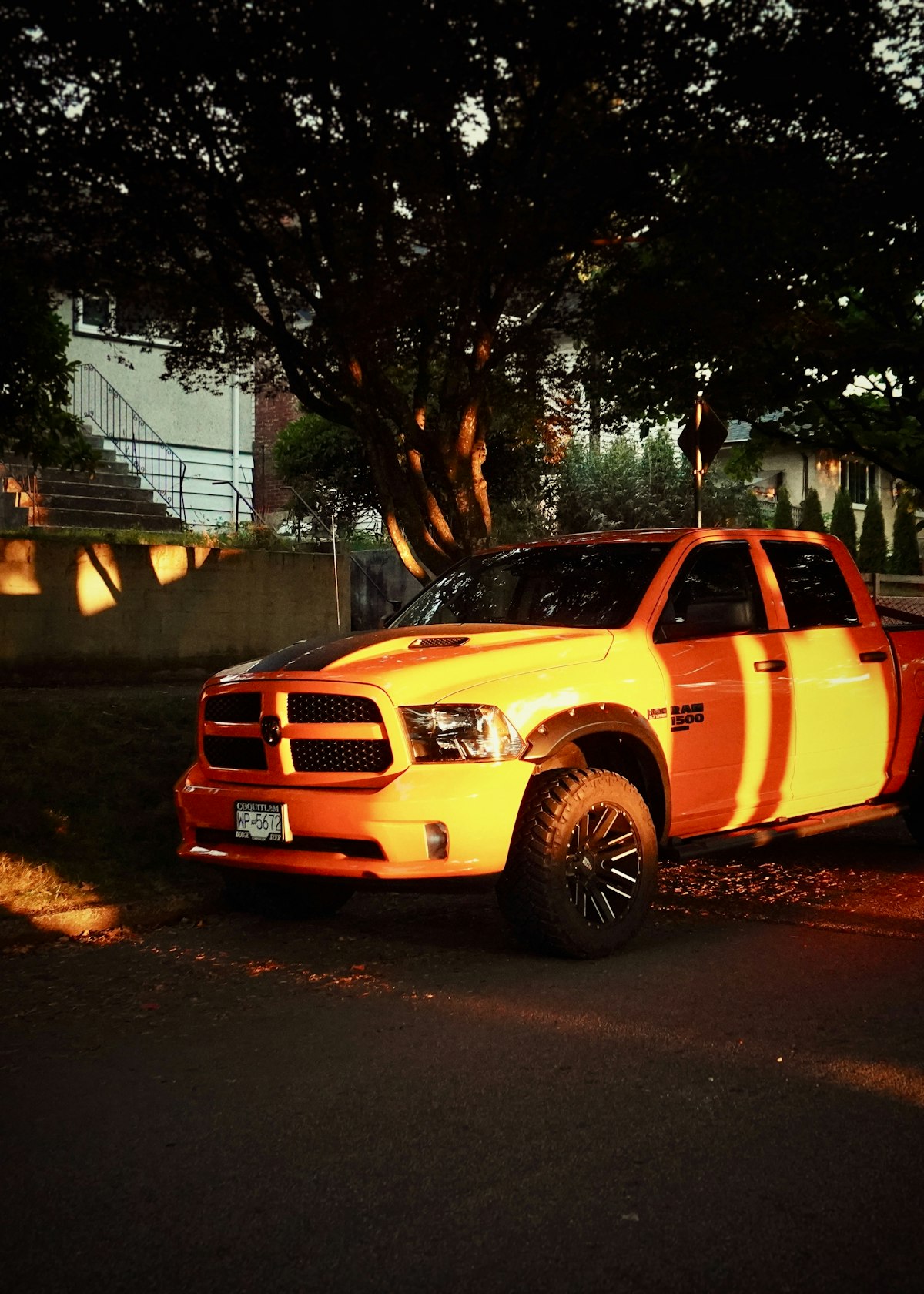
The aftermarket wheel industry is crowded, but certain brands have consistently proven themselves in terms of quality, design, and durability. Here are the brands we install most often at Redline Auto Creations and why we trust them.
Fuel is one of the most recognized names in the truck wheel world, and for good reason. Their designs range from clean and understated to bold and aggressive, and they offer options in cast, forged, and forged monoblock construction. The Fuel Rebel, Maverick, and Assault are perennial best-sellers.
Moto Metal wheels bring a lot of visual punch at a competitive price point. They're known for deep-lip designs, gloss black finishes, and styles that pair perfectly with lifted trucks. The MO962 and MO970 are two of their most popular models.
XD wheels have been a staple in the truck community for years. They tend to lean toward a rugged, utilitarian aesthetic that looks right at home on work trucks and off-road rigs alike. The XD Rockstar and XD Monster series are iconic.
If you want a wheel that's proven in actual off-road racing, Method is where you look. These wheels are engineered to handle the punishment of desert racing and rock crawling, and they carry a clean, purposeful design that stands apart from flashier brands. The Method 305 NV and 701 Trail Series are outstanding options.
For truck owners who want forged wheels with show-stopping designs, American Force is the gold standard. These are premium, American-made forged aluminum wheels available in a staggering range of finishes and custom configurations. They're particularly popular on lifted HD trucks and dually setups.
Hostile offers bold, aggressive designs that turn heads immediately. Their forged and cast lineups include some of the most distinctive spoke patterns in the industry. If you want your truck to stand out in a parking lot full of custom rigs, Hostile delivers.
TIS (The Industry Source) has built a strong following with their diverse lineup of truck and off-road wheels. They offer everything from clean street designs to aggressive off-road styles, often at price points that make them accessible to a wide range of budgets.
This is where the technical side of a wheel and tire combo gets critical. Even the best-looking wheels and tires in the world are useless if they don't fit your truck properly. Here are the key fitment factors you need to understand.
Every truck has a specific bolt pattern, like 6x135 for Ford F-150s or 8x180 for newer Chevy HD trucks. Your wheels must match this pattern exactly. Some wheels come with dual-drilled patterns that fit multiple applications, which adds flexibility.
Offset determines how far inward or outward the wheel sits relative to the hub mounting surface. A lower offset (or negative offset) pushes the wheel outward, giving your truck a wider, more aggressive stance. A higher offset tucks the wheel closer to the suspension. Getting this right is crucial: too much outward poke and you'll have issues with mud flaps, fender coverage, and potentially even legality. Too little and the tire can rub on the upper control arm or frame during turns or suspension travel.
The hub bore is the center hole in the wheel that fits over the hub on your truck. Ideally, this is a perfect match (hub-centric fitment). If the wheel's bore is larger than the hub, you'll need hub-centric rings to eliminate vibrations. Most quality wheel shops, including ours, handle this automatically during installation.
One of the most common questions we get at Redline Auto Creations is, "Do I need a lift to run bigger tires?" The answer depends on how big you're going.
Most trucks can accommodate a mild tire size increase on stock suspension. For example, many half-ton trucks can run a 33" tire on a 20" wheel without any modifications, though you may need to do minor trimming of the front mud flap or bumper liner. Always verify with a fitment specialist before assuming stock height will work.
A leveling kit raises the front of your truck by 2" to 3" to match the slightly higher rear end, eliminating the factory rake. This is one of the most popular modifications in Tampa because it's affordable, it improves the truck's stance dramatically, and it opens the door to running 33" or even 35" tires on most half-tons. Leveling kits typically run between $200 and $500 for the parts, plus installation.
If you want to run 35" tires or larger with full suspension travel and no rubbing, a lift kit is the way to go. Lifts range from 3" to 6" or more and can include new shocks, control arms, and other suspension components. A quality 4" to 6" lift kit can run anywhere from $1,500 to $5,000 or more for parts, depending on the brand and complexity. Installation is additional. Brands like Rough Country, ReadyLIFT, BDS, Fabtech, and Icon Vehicle Dynamics are all solid choices depending on your budget and goals.
Even with a lift, certain wheel and tire combos may require some fender trimming to prevent rubbing at full lock or during hard bumps. This is particularly common on trucks running aggressive negative-offset wheels that push the tire outward. A skilled installer can trim fender liners and pinch-weld seams cleanly, so the modification is invisible but fully functional. In some builds, aftermarket fender flares are added to cover the extra tire width and give the truck a more finished, factory-plus look.
Budget is always a factor, so let's talk numbers. Prices vary widely depending on wheel brand, tire brand, size, and whether you need additional modifications like leveling or lifting. Here are some ballpark ranges to help you plan.
Keep in mind that these ranges are for the wheel and tire package itself. If you're adding a leveling kit, lift kit, or other suspension work, budget accordingly. We always provide transparent, all-inclusive quotes so you know exactly what you're investing before any work begins.
Over the years, we've seen plenty of wheel and tire combos that were done wrong, either by DIYers or by shops that didn't take the time to do it right. Here are the most common mistakes to watch out for.
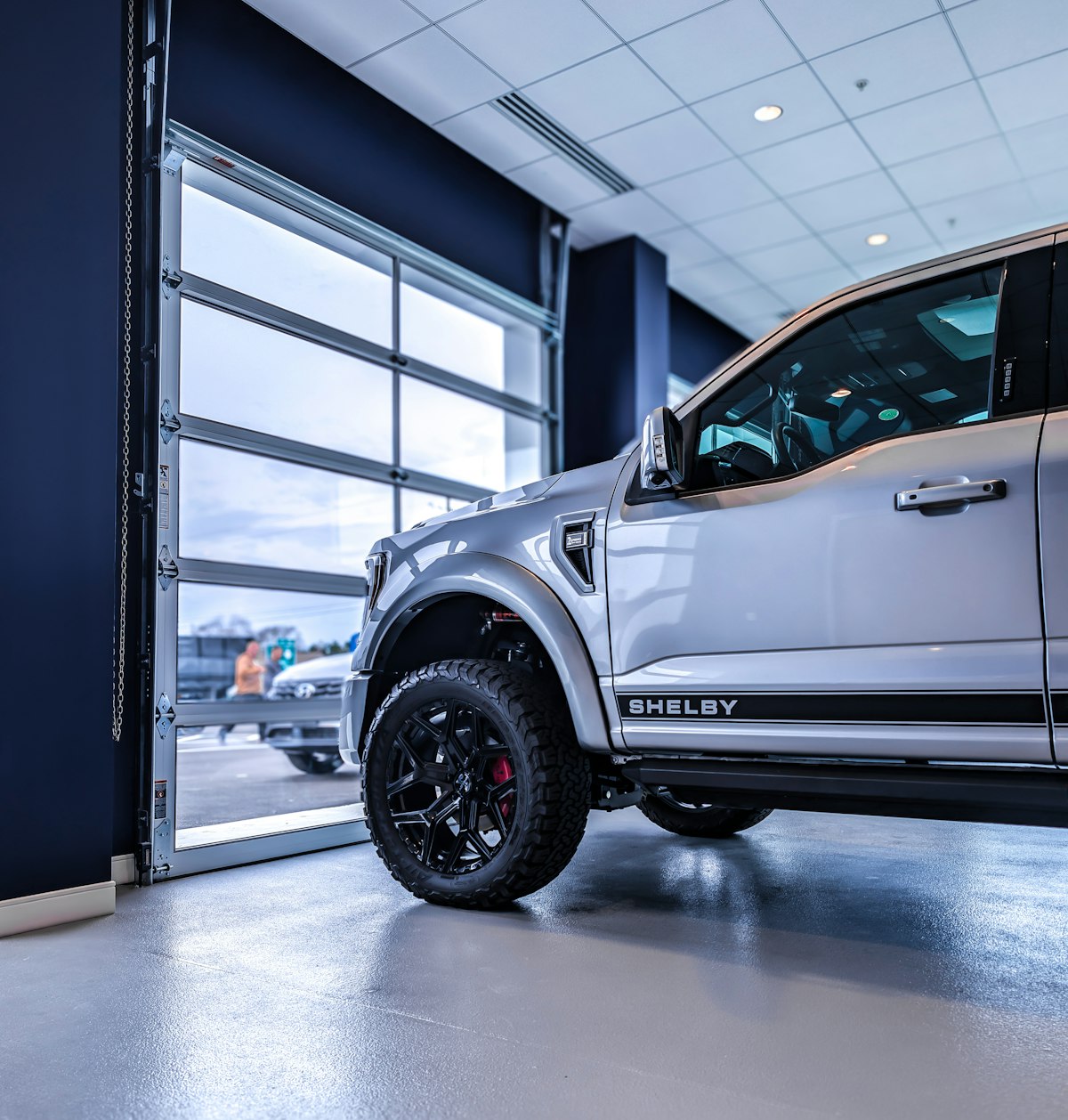
Choosing the right wheel and tire combo for your truck is one of the most rewarding upgrades you can make, but it's not something you want to guess on. The wrong fitment can lead to rubbing, premature wear, handling problems, and wasted money. The right fitment transforms your truck into exactly what you've been picturing in your head.
At Redline Auto Creations in Tampa, FL, we specialize in helping truck owners find the perfect wheel and tire combo for their vehicle, their driving style, and their budget. We carry all the top brands, we handle everything from test-fitting and mounting to leveling kits and full lift installs, and we stand behind every build we do. Our team has seen thousands of setups and we know what works, what doesn't, and how to get you the best result for your investment.
Whether you're looking for a clean set of 20" Fuel wheels with Nitto Ridge Grapplers for your daily driver or a full 6" lift with 24" American Force forged wheels on your HD truck, we've got you covered.
Give us a call at (813) 544-4009 or visit us online at redlineautocreations.com to schedule a consultation. Come see why Tampa truck owners trust Redline Auto Creations to get their wheel and tire combos done right, the first time.

At Redline Auto Creations, we specialize in crafting custom vehicles with precision and passion. From wheels and tires to suspension, performance upgrades, and custom designs, we bring your vision to life. Contact us today and transform your ride.
© 2026 Redline Auto Creations LLC. All Rights Reserved.
11626 N Florida Ave, Tampa, FL 33612

.png)






